English| EUR
Suggested for you
More currencies
Choose a language
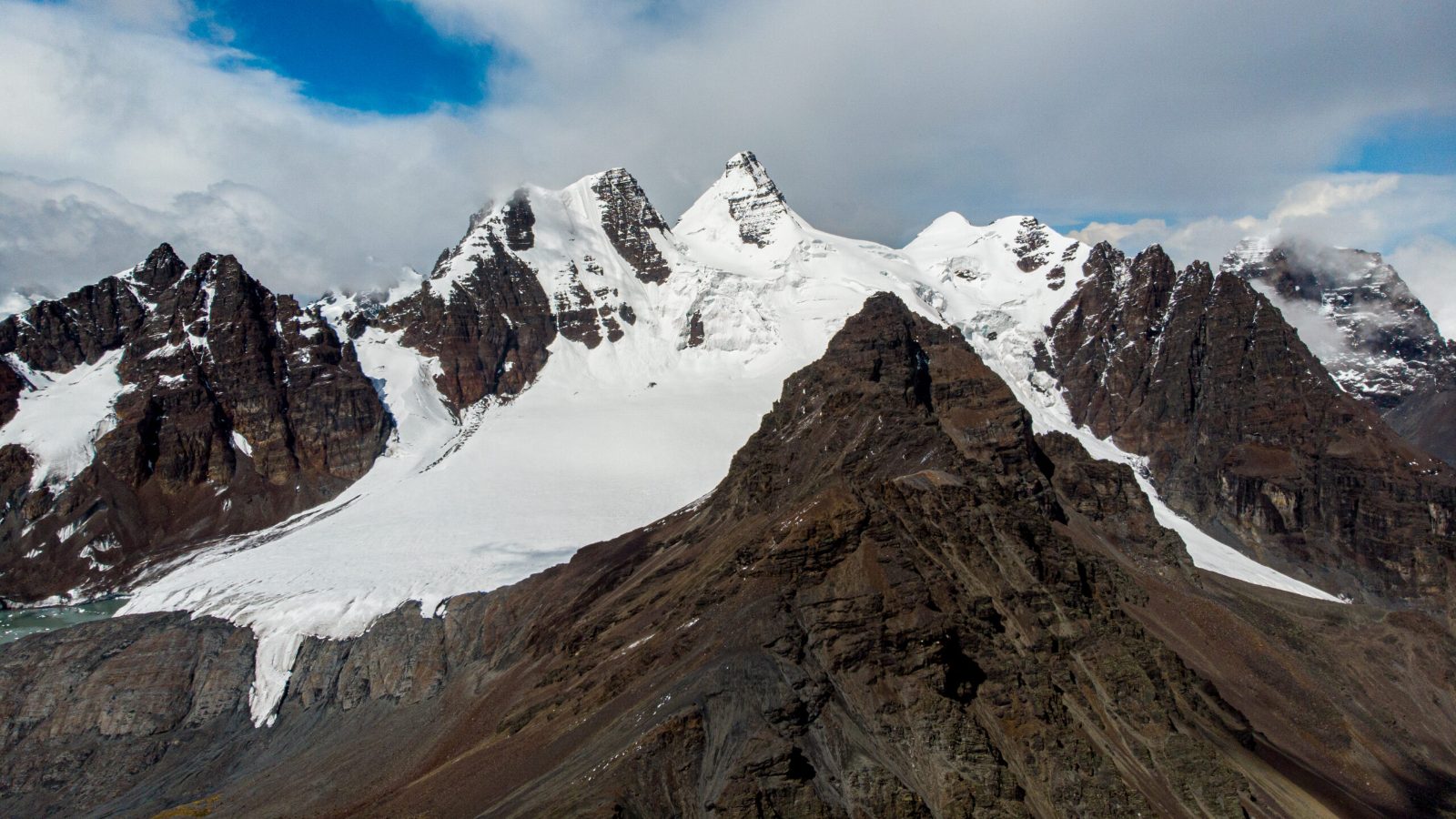
Pico Austria stands as the northernmost summit in the Condoriri massif, a technical alpine objective at 5,320 meters in Bolivia's Cordillera Real. This guide covers access protocols, the conservation fee structure, optimal climbing windows, and what the route demands from those who attempt it.
Quick answer
The pico austria trek operates under Parque Nacional Tuni-Condoriri access rules, open daily from 00:00 to 23:59, with a 20 BOB conservation fee per person. Climbing teams typically begin their summit push between 07:00 and 11:00, when weather is most stable and afternoon cloud buildup has not yet obscured route-finding on the glacier approach and the mixed rock-and-ice upper section.
Pico Austria earns its reputation not from altitude alone but from the commitment the route extracts. The summit pitch involves sustained mixed climbing on rock that becomes verglas-coated in poor conditions, and the glacier approach demands confident crampon work across crevasse zones that shift season to season. Unlike the more frequented Pequeño Alpamayo to the south, Pico Austria sees fewer ascents, and the route remains less defined. The massif sits within Parque Nacional Tuni-Condoriri, a protected zone in the Cordillera Real administered under Bolivia's national park system. Entry requires payment of a 20 BOB conservation fee per person, collected at the trailhead or ranger station depending on approach route. The park enforces no formal permit quotas, but teams are expected to register their objective and estimated return time. Access is technically unrestricted by hour, though the vast majority of summit attempts launch in darkness or pre-dawn to capitalize on the weather window that typically holds until midday. The Austria summit route begins from the Laguna Chiar Khota base camp, shared with climbers bound for Tarija, Ala Derecha, and the main Condoriri summit. From camp, the pico austria trek guide follows a moraine band northeast before transitioning onto the glacier proper. The initial slope is gentle, but the terrain steepens as the route curves west toward the col separating Austria from its neighbors. Fixed lines are rare; teams carry their own protection and rope systems. The final hundred meters demand careful movement over mixed ground where rock quality is variable and ice conditions change with the hour. Weather patterns in the Cordillera Real follow a predictable rhythm during the dry season, with stable mornings giving way to cloud cover and wind by early afternoon. Most parties depart base camp no later than 03:00, aiming to top out by 10:00 or 11:00 and descend before conditions deteriorate. The altitude, technical difficulty, and objective hazards combine to make Pico Austria a committing objective suited to climbers with prior high-altitude mixed experience and competence in self-rescue. The park address is Parque Nacional Tuni-Condoriri, Cordillera Real, La Paz, Bolivia. The site operates year-round, though the climbing season concentrates between May and September when precipitation is lowest and the glacier surface is most consolidated.
“The summit pitch involves sustained mixed climbing on rock that becomes verglas-coated in poor conditions, and the glacier approach demands confident crampon work across crevasse zones that shift season to season.”
The optimal window for trekking Pico Austria is during the dry season from May to September, when stable conditions prevail. Aiming for an early arrival is essential to avoid the afternoon cloud cover common in the Cordillera Real.
Clear skies, cold, 5°C to 12°C
This period offers the most consistent weather and high visibility for mountain ascents.
Frequent precipitation, snow, 2°C to 10°C
Expect unstable conditions, muddy trails, and limited visibility due to heavy cloud cover.
—
Clearer weather and stable conditions are typical before afternoon mountain cloud cover.
Verdict: The best slot for the trek is May through September, with arrival between 07:00 and 11:00 to maximize visibility and stability.
The Pico Austria trek is located within the Parque Nacional Tuni-Condoriri in the Cordillera Real, accessible primarily from La Paz. Most visitors reach the trailhead by arranging private transport or hiring a local driver to navigate the remote mountain roads.
La Paz to Tuni via Route 3 and local access road
La Paz to Tuni village
Tuni village to Laguna Chiar Khota trailhead
Plan your arrival to the trailhead between 07:00–11:00 to ensure stable weather conditions and avoid afternoon cloud cover that often obscures mountain visibility.
The Pico Austria trek in the Cordillera Real is accessible to visitors daily throughout the week. The trail remains open for entry during all daylight hours and overnight.
High-altitude trekking in the Cordillera Real demands careful preparation—altitude, weather variability, and technical terrain require specific gear and acclimatization.
Everything you need to know about pico austria trek
The Pico Austria trek is considered a non-technical climb, though it requires good physical conditioning due to the high altitude of the Cordillera Real. Hikers should prepare for steep, rocky paths that lead to an elevation of approximately 5,300 meters.
While this ascent does not require specialized mountaineering gear, the pico austria hike demands acclimatization to the thin air of the Bolivian Andes. It is recommended that visitors spend several days in La Paz before attempting the climb to ensure their body is adjusted.
Access to the Parque Nacional Tuni-Condoriri requires a conservation fee of 20 BOB per person. This amount is paid at the entrance to support local preservation efforts in the region.
The best arrival window is 07:00–11:00 to ensure clear weather and avoid afternoon mountain cloud cover. Starting the pico austria trek early in the morning provides the most stable atmospheric conditions for summiting.
While experienced hikers may navigate the trail independently, hiring a local guide is beneficial for safety and orientation in the remote peaks of the Condoriri range. Professional guides can provide essential insights into the local terrain and help manage altitude-related challenges.
Yes, altitude sickness is a significant factor on this mountain route, as the trail reaches extreme heights. It is important to monitor your health closely and descend immediately if you experience severe symptoms like dizziness or intense headaches.